Skip to content

Roof installations in Cardiff

SWS Roofing strip, re-cover and restore roofs on Cardiff's Victorian terraces, converted period properties and modern estates. You get a thorough survey, a fixed written quote, and a roof fitted to last—with all flashings, valleys and lead work done to last decades, not years.

  • Welsh slate, natural stone, clay and concrete tile
  • Breathable membrane, treated timber and dressed lead work
  • Parking and skip arranged; site tidied to leave no trace
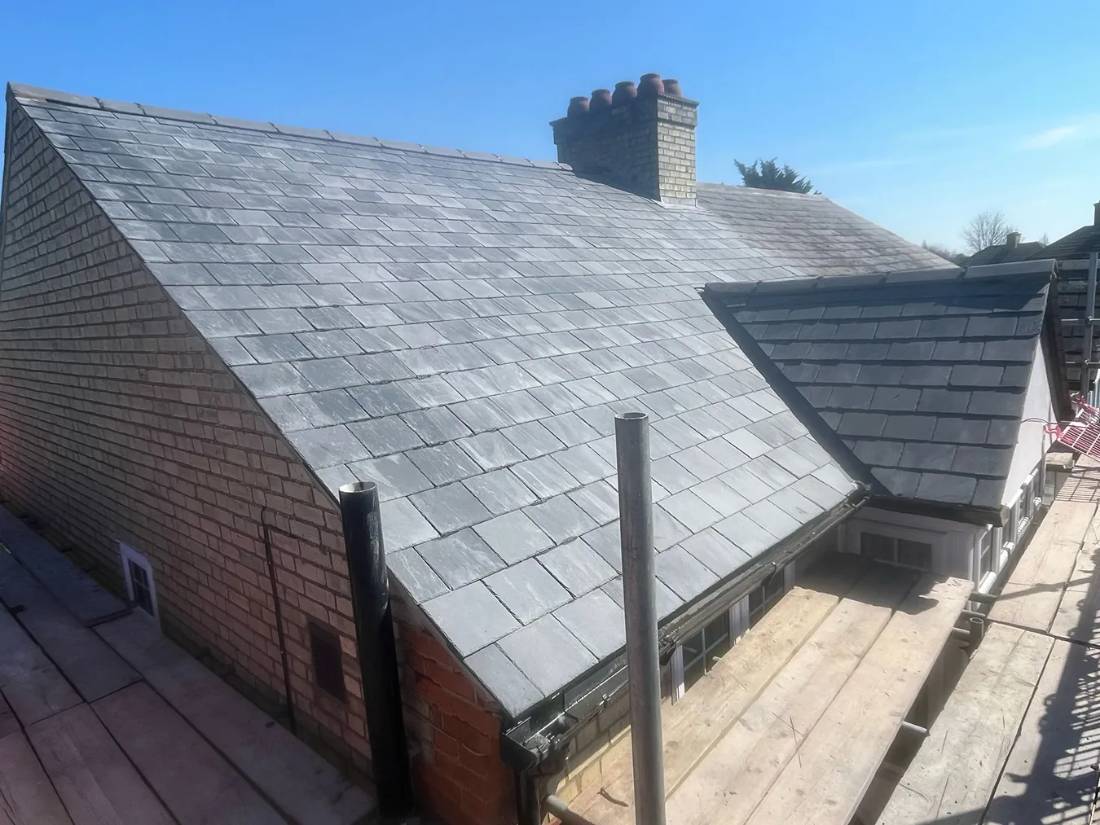
Completed roof installation on a Cardiff property

Why Cardiff's older roofs fail faster than the building underneath

Much of inner Cardiff was built between 1880 and 1920, when roofs were hung on iron nails and laid on lime mortar, often with no underlay at all. The nails rust out, the mortar fails, and wind-driven rain finds every gap.

Many roofs here sit at steep pitches over tall terraces with shared party walls, valleys and parapet gutters. A single failed valley or chimney flashing can soak the loft space and rafters for months before a stain ever reaches the ceiling.

Add the typical Cardiff weather—wet, windy, with freeze-thaw cycles in winter—and original coverings rarely make it past 60 years without major trouble. By the time repairs pile up, a new roof is the smarter investment.

When it is time for a new roof

  • Several missing, slipped or cracked slates—not just one or two
  • Damp patches on ceilings or walls under the roof slope
  • Daylight visible through the roof boards from inside the loft
  • Crumbling or loose mortar at ridges and hips
  • A sagging ridge line or visible dips in the roof plane
  • Rusted ironwork, nail corrosion or slate fragments in the gutters

Unsure if a roof can be patched? See roof repairs or call us for an honest view.

How we roof Cardiff's three main house types

The building tells us what it needs. This is how we approach the most common roofs we see.

Victorian and Edwardian terraces

Tall, narrow houses built to last, with shared party walls, valleys and parapet gutters that often leak where they meet the neighbour's side. Many sit on steep hillside streets with limited access and no yards for a skip.

What we fit: Welsh slate or clay tiles on breathable membrane, with new lead valleys and parapet linings dressed and sealed properly.
Period conversions and chapels

Converted warehouses, chapels and period properties often have high ceilings, unusual roof geometries or listed status. Work must respect the original character, and consent is usually needed before the covering changes.

What we fit: natural slate or period-appropriate tiles, matched to the existing, with decorative lead and traditional detailing.

Post-war estates and modern homes

Semi-detached and detached homes with moderate pitches, easier access, and straightforward roof layouts. Usually good roof access for safety, so work progresses quickly and costs are clearer.

What we fit: concrete interlocking tiles on breathable membrane, with dry-fix ridge and verge systems that need no mortar.

How we install a new roof, step by step

A roof is never left open to the weather overnight. We cover and weatherproof in sections, starting at the highest point and working down. Here is the order.

Leak appearing before the work starts? We can make it safe while you wait for the installation date.

  1. Loft survey and written quote

    We climb into the loft, check the rafters, battens, timbers around chimneys, and walk the roof to spot any structural damage. The quote lists the covering, flashings, and anything extra we find.

  2. Arrange parking and street permits

    Terraces on narrow roads mean scaffold over the pavement and a skip on the street. We handle permits, parking suspensions and liaison with the council before the first lorry arrives.

  3. Strip back to good timber

    Old covering, felt and failed nails come off. We inspect the timbers underneath—rafters, wall plates, battens—and replace anything rotten. All repair work is shown and agreed before we carry on.

  4. Lay membrane, battens and covering

    Breathable membrane is laid, treated battens are fixed, and slate or tile goes on to the manufacturer's spec. Lead is dressed around chimneys, abutments and valleys to shed water properly.

  5. Finish, clean and handover

    Ridge, hips and verges are bedded and fixed. Gutters are cleared, scaffold is struck, and the garden and driveway are swept and magnetic-raked for stray nails before we leave.

What sets the price of a new roof in Cardiff

Every roof is different. These are the main things that change what a job costs, so you understand where your quote comes from.

  • Roof size and pitchSteeper roofs and roofs with many hips and valleys need more labour, more materials and more complex lead work.
  • The covering materialWelsh slate costs more than clay tile, which costs more than concrete. Original slates can sometimes be reused, lowering the price.
  • Street access and permitsTerraces with no side passage mean scaffold over the pavement and street permits. Hills and tight parking add time and cost.
  • Timber conditionOnly fully clear when the old covering is stripped. Rotten rafters, joists or wall plates must be replaced, and that work is shown and agreed first.
  • Chimneys and lead detailFlashing round chimneys and dressing valleys adds labour but stops the most common leaks. It is never skipped.
  • Building Regulations and insulationStripping a roof triggers Building Regulations. We advise on what must be done and include it in the quote.

Sound original slates can be recovered and reused. We inspect them at survey and tell you honestly whether they are worth the cost of salvage.

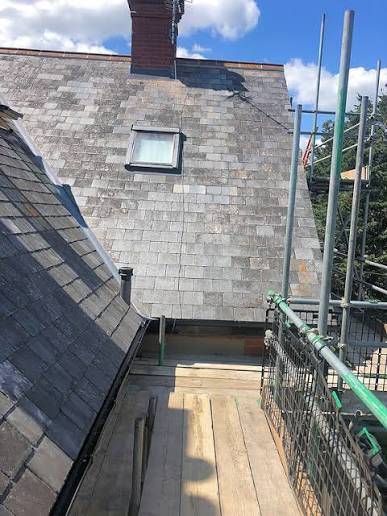
New roof installation work in progress

Really impressed with the quality of work. The new flat roof looks great and everything was completed on time and within the agreed price.

Customer review

Roofs fitted across Cardiff and nearby areas

We install new roofs right across the city, from the Victorian hills to the modern suburbs. Common districts we work in include:

  • Cathays
  • Roath
  • Canton
  • Riverside
  • Grangetown
  • Llandaff
  • Whitchurch
  • Penylan
Roofing in Cardiff

Roof installation questions from Cardiff homeowners

Listed buildings, street parking, Welsh slate and timings come up most often when we talk to customers about starting a new roof.

Do we need planning permission or listed building consent for a new roof in Cardiff?

Listed buildings and properties in conservation areas usually need consent before the covering changes, even if it looks the same. We check this at survey and tell you what is needed before anything is ordered. Non-listed properties rarely need permission for like-for-like replacement.

How long does a roof installation take?

Most terraces take 7–14 working days depending on size, access and the weather. We work around existing weather forecasts and never leave the roof open overnight. We will give you a start and finish estimate in the quote.

Can we reuse the original slates?

Sometimes, yes. Welsh slate is durable and worth salvaging if it is not broken or badly worn. We inspect it at survey, assess what is recoverable and cost the salvage into the quote. Salvaged slates are usually sorted and rebedded on new battens.

Will a new roof need Building Regulations approval?

Probably, yes. Most roof replacements trigger Building Regulations if the roof is being completely stripped. The work must meet current standards for insulation and ventilation. We advise on what is needed and include it in the quote before work starts.

What happens if it rains during the installation?

The roof is covered in sections as we work, so rain does not get inside. If the weather is too bad to work safely (high winds, heavy rain), we stop and cover everything, then pick up the next day. We never rush a roof in poor weather.

Can you do the work while we are away?

Yes. Once we agree a start date and weather window, we get on with it. We will need access to the loft and water if needed. For longer jobs, we agree a weekly check-in call or email to keep you posted.

Ready to replace your roof in Cardiff? Get a roofer's view first

Tell us your street, the house type and what is happening in the loft. We will arrange a survey and follow it with a fixed written quote.

Call SWS Roofing 01225 800302

Phones answered Mon–Fri 8am–6pm. Emergency callout 24/7.