
Soft wood or crumbling edges
Press the fascia with a screwdriver. If it goes in easily, the timber is rotten and water is already inside the roof box.
SWS Roofing replace worn fascias, soffits and guttering boards with new hardwood, PVCu or composite, properly sealed and fixed to protect your home from water and weather.
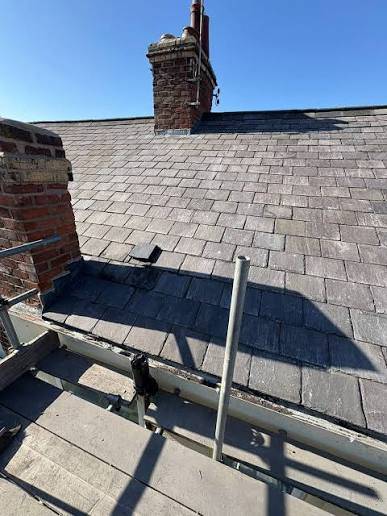
Fascias and soffits sit between the roof edge and the wall, taking the full force of wind and rain. When they fail, water gets inside the rafters and rots everything it touches.
Press the fascia with a screwdriver. If it goes in easily, the timber is rotten and water is already inside the roof box.
Black staining on the soffit or mould growing along the gutter line means water is not draining properly and timber is damp.
Paint that bubbles and comes away in sheets often means water is pushing from underneath, lifting the coating.
Separation means the fascia has moved or warped, letting water run behind the gutter and under the soffit.
Heavy gutters pulling away from rotting fascia, or visibly drooping and not running water towards the downpipe.
Catching fascia problems early is cheaper than finding rotten rafters later. We inspect and advise honestly—if it is surface damage only, we'll say so.
Your choice depends on budget, appearance and how long you want the boards to last. Each material has a different finish and lifespan.
Timber boards painted every 5–7 years. Looks right on period homes, breathes properly and can be sanded and repainted indefinitely. The traditional choice and still the best for character properties.
Best forVictorian and Edwardian homes, listed properties
Plastic boards in white, grey or cream, maintenance-free and guaranteed for 10–15 years. Lighter than timber, quick to fit and no painting needed. The modern standard for most homes.
Best forNewer homes, semis and terraces
Wood-fibre and resin blend, looks like timber but lasts 20+ years with minimal upkeep. Paintable, weather-resistant and splits or rots less easily than solid timber.
Best forHomes that want timber appearance without painting
Lightweight, durable and low-maintenance, usually factory-finished. Protects timber soffits without the weight of board-and-board systems.
Best forExposed, windy locations
The old boards come off, timber is checked and repaired if needed, and new fascia and soffit are fitted true and sealed so water cannot get behind.
Old fascia and soffit are carefully removed. We check the rafter feet and timber condition underneath.
Any rotten wood is cut out and replaced, or treated, before new boards are fitted.
New soffit is laid first with proper ventilation gaps so the roof space can breathe and moisture does not build up.
New gutters are fixed to the fascia at the correct fall so water flows cleanly to the downpipes.
Fascia board is fixed and sealed at the edges and corners so no water can get behind it and under the soffit.
Timber is primed and painted, or boards are factory-finished and fitted ready to go. We tidy debris and test the guttering.
Your quote covers these items so you know exactly what you are getting and can compare fairly.
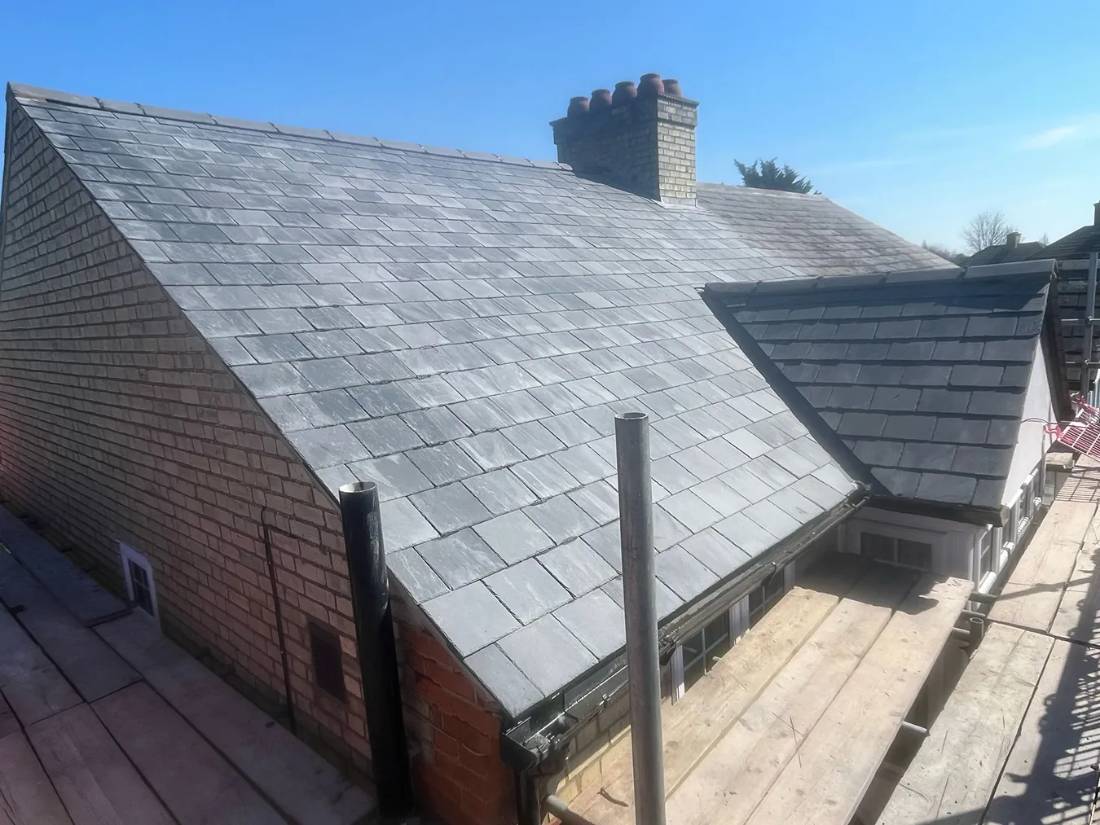
We visit and quote after seeing the job. These are the main things that change the price.
New boards will last decades with minimal care. These simple steps help them stay watertight.
Have a question we have not covered? Ring and ask—we are always happy to explain the work.
PVCu fascia typically lasts 15–20 years with no maintenance. Timber lasts 30+ years if painted every 5–7 years. Composite sits between the two, usually 20+ years. Aluminium can last 25+ years. The life depends more on how well gutters are kept clear and the paint (if timber) is refreshed.
Yes. If your gutters are sound and you just want new fascia, we can fit boards and work around existing guttering. However, if gutters have failed gutters, it is often more cost-effective to replace them while scaffolding is up. We always advise.
Yes, timber fascia needs repainting every 5–7 years to stay watertight and protected from UV and weather. We recommend a high-quality exterior gloss or microporous satin finish. Waiting too long between coats can let water soak in and cause the wood underneath to rot.
Soffit vents let moisture and warm air escape from the roof space, which prevents condensation and mould building up in the loft. They must stay clear and unblocked. If your old soffit had vents, we fit equivalent ventilation in the new one. It is a Building Regulations requirement in most cases.
Height and length depend on your roof. We arrange the most practical scaffold layout and always give you notice so you can plan. We work to minimize disruption, and once the job is finished the scaffold comes down within a day.
We stop, show you the damage, and quote the repair separately before continuing. Rotten timber must be cut out and replaced with treated wood or composite so the new fascia has solid support. It is not a surprise cost—we price it and ask for your go-ahead first.
Tell us what you have noticed and we will arrange a visit to look at the timbers and advise on materials and cost. No surprises, just honest advice.
01225 800302