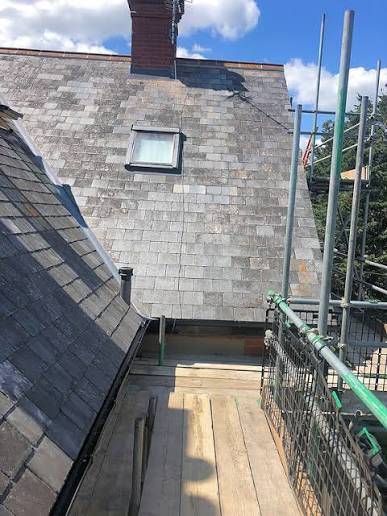
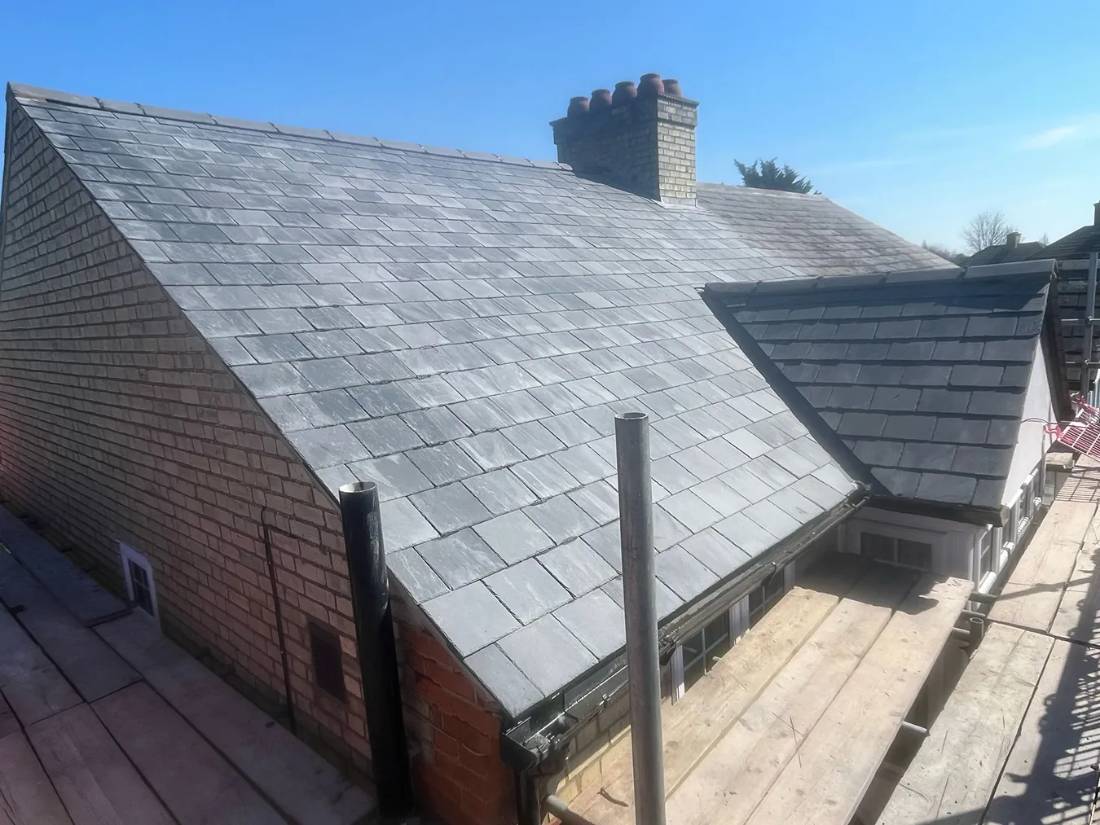
SWS Roofing replace and re-cover roofs across Bristol's Victorian terraces, Edwardian semis, converted warehouses and modern developments. You get a thorough survey of the structure, a detailed written quote, and a roof built to handle Bristol's wet winters and strong winds.
Slate, clay tile, concrete tile and composite options
Breathable membrane, treated timber and lead work
Access and deliveries planned; permit paperwork handled
Why Bristol roofs fail faster than older structures elsewhere
Bristol's mix of industrial heritage and dense housing means most roofs are either Victorian original or sixty-odd years old. The city's exposure to Atlantic weather — constant rain, significant wind speed and salt-laden air — accelerates the wear.
Terraced streets with no side access mean water pools and debris clogs gutters. Converted lofts in old warehouse buildings often leave original felt and inadequate ventilation. Newer semis in suburban roads were built to tight tolerances, so when the felt finally fails, water gets into cavities fast.
Add Bristol's reputation for high water tables and difficult ground, and repairs to rotten rafters or wall plates become frequent. Once you are patching more than twice a year, a full replacement stops the cycle and costs less over ten years than endless call-outs.
When it is time to replace, not repair
Loose or degraded slates, tiles scattered across the garden after wind
Damp patches on ceilings or walls that keep returning after rain
Felt showing through where slates or tiles have shifted
Soggy or discoloured loft insulation and damp timber smell
Algae or moss growth across large sections of the roof
The building stock shapes the job. Here is how we handle the roofs we see most on Bristol streets.
Tight-packed Georgian and Victorian terraces
No side access, shared party walls and gutters that touch next door's. We plan scaffold placement early, check if the Party Wall etc. Act applies, and coordinate with your neighbours if their structure is affected.
What we fit: natural slate or clay tile, with new lead valleys, dressed party wall faces and rebuilt gutters shared cleanly.
Edwardian and 1930s suburban semis
Pitched roofs with smaller footprints, often with side access. The original felt and timber are usually tired; we check chimney stacks for leaning or mortar failure while we are up there.
What we fit: clay or concrete tile on breathable membrane, with flashing repairs and new ridge and verge systems to suit.
Converted warehouse and industrial lofts
Often low-pitched or complex hips and valleys converted from original industrial roofing. The original structure may be uncertain; we survey carefully and sometimes recommend building inspection input before we start.
What we fit: single-ply membrane, sheet lead or standing-seam metal roofing with proper insulation layering for conversion standards.
Post-1970s housing association and mass-built homes
Uniform layout, concrete tile, often with roof-integrated ventilation that gets blocked or fails. Tight roofline tolerances mean leaks reach cavities and insulation quickly.
What we fit: concrete interlocking tile or modern composite, with correct cavity tray details and Building Regulations-compliant ventilation.
The process: from survey to finished roof
We work in phases so the house is never left open to weather overnight. Here is what happens at each stage.
Leak discovered after booking? We will make it safe while you wait for the work to begin.
We climb into the loft space, check rafter condition, insulation and ventilation, spot any wet timber or ceiling stains, and photograph the structure. The roof itself is walked and measured.
2
Written quote with itemised breakdown
The quote lists the covering material, membrane type, flashings, any timber repair and labour. We flag if Building Regulations or Party Wall considerations apply so there are no surprises.
3
Access, skip and logistics booked
Terraces may need council skip permits and parking suspensions on the road. We handle the paperwork and liaise with the local authority before the start date is confirmed.
4
Strip and structural assessment
Old covering and felt come off in sections. The timber frame is exposed and checked for rot, insect damage or movement. Any structural work is photographed and agreed with you before proceeding.
5
New membrane, battens, covering and flashings
Breathable membrane is laid, treated battens fixed, and your chosen covering installed to manufacturer spec. Lead or flashing is dressed round chimneys, abutments and valleys to shed water properly.
6
Ridge, verges, gutters and handover
Ridge and hip tiles or dry-fix systems are secured, verges are sealed, and existing gutters are cleaned out. We sweep the drive and clear any debris before handing the keys back.
What sets the price of a Bristol roof replacement
Every quote reflects the specific house, its condition and local factors. Here is what changes the cost so you understand where your budget goes.
Roof size and complexityHips, valleys, dormers and multiple chimneys all add labour and materials. Steep pitches need more scaffold and safety measures.
Material choiceConcrete tile is the most economical; clay and slate cost more but age beautifully and can be reused if original slates are sound.
Street access and deliveriesTerraces with no side passage need scaffold and skip permits. Steep hills mean smaller delivery loads and extra handling time.
Loft and rafter repairsOnly fully visible once stripping starts. Wet rot, woodworm or failed wall plates add cost but are essential to fix and shown to you first.
Chimney flashings and lead workThese are where most leaks happen. Proper lead detailing stops years of callbacks.
Building Regulations complianceStripping triggers inspection, so insulation values and ventilation must meet current standards — budget for this in advance.
Original slates or tiles in good condition can sometimes be reused, bringing cost down. We assess them at survey and tell you honestly whether they are worth saving.
“
Really impressed with the quality of work. The new flat roof looks great and everything was completed on time and within the agreed price.
Roofs fitted across Bristol's neighbourhoods
We work throughout Bristol, from the tight Georgian terraces of Clifton and Redland to the suburban streets of Southmead, Hengrove and beyond. We cover:
Permits, damp, chimney repairs and the cost of different materials come up in almost every conversation before we start work.
Do we need council permission to replace the roof?
In most cases, no. Replacing an existing roof like-for-like is classified as maintenance and doesn't need planning permission. However, if you are changing the shape, adding dormers or changing the covering material in a conservation area or listed building, consent may be required. We check the planning portal and advise before the quote is finalised.
How long does a full roof replacement take?
A typical terraced house or semi takes 7–14 days depending on size, complexity and weather. We work in sections so the roof is never left open overnight. Terraces with scaffold permits and difficult access take longer; smaller modern semis with side access are usually faster.
Can we save money by reusing the original slates or tiles?
Sometimes. If the original slates or tiles are intact and not broken, we can lift and reuse them, which reduces material cost. However, old nails often snap during removal and original felt underneath is usually too damaged to reuse. We assess them at survey and quote the cost difference between new and salvaged materials.
What happens if we find rotten timber once the roof is stripped?
Wet rot and woodworm are common in older Bristol properties, especially after a failed roof or poor ventilation. We photograph the damage, show it to you and agree the repair cost before cutting anything out. Any structural work is done in treated timber to the same spec as the rest of the roof.
Will a new roof need Building Regulations approval?
Most roof replacements do trigger Building Regulations because the work involves accessing the structure. An inspector will check that insulation meets current U-values and ventilation is adequate. This costs an inspection fee but ensures the roof works properly and protects your warranty. We advise on what will be needed before you book.
If the roof leaks while we are waiting for the installation, can you fix it temporarily?
Yes. We can patch leaks, clear blocked gutters or temporarily seal valleys to make the roof safe until the full work begins. Tell us when you book and we will schedule an emergency visit if needed.
Ready to replace your roof? Get a survey and quote
Tell us your street, the age and type of building, and what's prompting the work. We will arrange a survey, assess the structure and send you a written, itemised quote with no obligation.